












Soy wax is a vegetable wax produced from soybean oil. After harvesting, the seeds are cleaned, broken, the cortical shells removed and rolled into small pieces. The oil is then extracted from the chips and hydrogenated.
The hydrogenation process converts some of the fatty acids in the oil from unsaturated to saturated. This process dramatically changes the melting point of the oil, making it solid at room temperature. The remains of the seed coats are usually used as animal feed.
The U.S. grows the vast majority of the world's soybeans, mainly in Illinois, Iowa and Indiana.
What are the benefits? The biggest advantage of soy is that it is completely renewable. While global oil reserves dwindle and paraffin prices rise, the only limit to soy supply is how much we choose to grow. The soybeans you buy from CandleScience today were probably in the ground less than a year ago. And probably the same field is growing more soybeans for the candles to be made in the future.
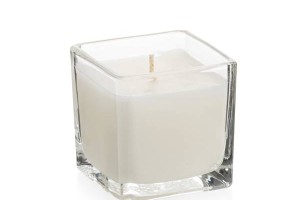
In addition to sustainability, a well-made soy candle will burn cleanly and slowly, much to the delight of your customers. While the performance and beauty of soy candles speak for themselves, soy wax is truly every marketer's dream. If you make soy candles, you can promote them as eco-friendly, renewable, American-sourced, sustainable, carbon-neutral, and more.